
National Fresh Breath Day: How to Keep Bad Breath Away
Source:
Dr. Marketing
National Fresh Breath Day in August is a timely reminder that fresh breath is about much more than reaching for a mint. Persistent bad breath can be connected to plaque buildup, bacteria on the tongue, dry mouth, certain foods, gum concerns, or other oral health conditions. Covering the odour temporarily does not address what may be causing it.
The good news is that everyday oral hygiene habits can make a meaningful difference. This National Fresh Breath Day, Elements Dental in Downtown Victoria encourages families to look beyond quick fixes and focus on habits that support fresh breath and overall oral health.
Why Does Bad Breath Happen?

Occasional bad breath is common, particularly after eating strongly flavoured foods or waking up in the morning. Persistent bad breath, also known as halitosis, can have several causes.
Bacteria naturally live throughout the mouth. When food particles and plaque remain around the teeth, gums, or tongue, bacteria break down this material and can produce unpleasant odours. This is why brushing only the visible surfaces of the teeth may not be enough.
Dry mouth can also contribute. Saliva naturally helps rinse food particles and bacteria away. When saliva production decreases, odour-producing bacteria can accumulate more easily.
In some cases, persistent bad breath may be associated with gum disease, tooth decay, infections, or factors outside the mouth. If improving oral hygiene does not resolve the problem, a dental assessment can help identify whether an underlying concern requires attention.
Start with Better Brushing, Not Stronger Mouthwash

When bad breath appears, mouthwash is often the first thing people reach for. While certain mouth rinses can complement an oral hygiene routine, they should not replace effective brushing and flossing.
Brush thoroughly twice each day using fluoride toothpaste, paying attention to the gumline and harder-to-reach back teeth. Brushing removes plaque and food debris that contribute to both bad breath and dental disease.
Technique matters as much as frequency. Rushing through brushing can leave plaque behind, particularly around the gumline and back molars. A complete brushing session should generally last about two minutes.
A fresh taste after using mouthwash does not necessarily mean the source of bad breath has been removed. Mechanical plaque removal remains essential.
Your Tongue Could Be Contributing to Bad Breath
The tongue is easy to overlook during an oral hygiene routine, yet its textured surface provides plenty of places for bacteria and debris to collect.
A coating toward the back of the tongue can contribute significantly to unpleasant breath. Gently cleaning the tongue with a toothbrush or tongue cleaner can help remove this buildup.
Avoid aggressive scraping, which may irritate delicate tissues. Gentle, consistent cleaning is the goal.
Adding tongue cleaning to your morning and evening routine takes very little time but can make oral hygiene more comprehensive.
Flossing Matters More Than You May Think

If brushing is already part of your routine but bad breath persists, consider what is happening between your teeth.
A toothbrush cannot effectively clean every tight space between teeth. Food particles and plaque can remain there, providing bacteria with an environment in which to accumulate.
Daily flossing cleans these areas while also supporting gum health. Depending on your individual needs, our team may recommend traditional floss, interdental brushes, or another appropriate tool.
If your gums regularly bleed while flossing, do not simply ignore the symptom. Persistent bleeding may indicate inflammation and deserves professional attention.
Drink More Water Throughout the Day

Water is among the simplest tools for supporting fresher breath.
Regularly drinking water helps rinse away loose food particles and supports normal saliva production. This becomes particularly important after meals, coffee, or snacks when brushing is not immediately possible.
Dry mouth can occur for many reasons, including medications, dehydration, mouth breathing, and certain health conditions. People experiencing persistent dry mouth may notice that bad breath becomes more pronounced.
Chewing sugar-free gum may stimulate saliva temporarily for some people, but ongoing dry mouth should be discussed with us rather than continually covered with mints or gum.
Be Strategic About Foods and Drinks
Garlic and onions are well-known contributors to temporary bad breath, but they are not the only dietary factors worth considering.
Frequent sugary snacks and drinks provide oral bacteria with a steady source of carbohydrates. Coffee can leave strong odours behind and may contribute to dry mouth for some people. Alcohol can also reduce moisture in the mouth.
You do not necessarily need to eliminate every food associated with breath changes. Instead, focus on frequency and what you do afterward. Drinking water with meals, maintaining regular oral hygiene, and avoiding constant snacking can support both fresher breath and healthier teeth.
Crunchy fruits and vegetables can be useful additions to a balanced diet, but no particular food should be considered a replacement for brushing and flossing.
Replace Your Toothbrush Regularly

An old toothbrush with worn, frayed bristles does not clean as effectively as it should.
Replace your toothbrush or electric toothbrush head approximately every three to four months, or sooner if the bristles become visibly worn. A fresh toothbrush makes it easier to clean tooth surfaces and the gumline effectively.
Remember to keep the toothbrush clean and allow it to air dry between uses. Small details in your daily routine can contribute to more effective plaque control.
When Bad Breath Is More Than a Hygiene Issue
Good brushing, flossing, tongue cleaning, and hydration can address many common causes of bad breath. However, persistent halitosis should not simply be masked indefinitely.
Bad breath can sometimes accompany gum inflammation, periodontal disease, cavities, damaged teeth, or oral infections. Hardened tartar may also contribute to bacterial accumulation and cannot be removed with ordinary brushing at home. Pay attention if bad breath occurs alongside:
- Red, swollen, or bleeding gums
- Tooth pain or persistent sensitivity
- A consistently unpleasant taste
- Loose teeth
- Gum recession
- Persistent dry mouth
A dental examination can help determine whether an oral health concern is contributing to the problem.
Professional Dental Cleanings Can Make a Difference
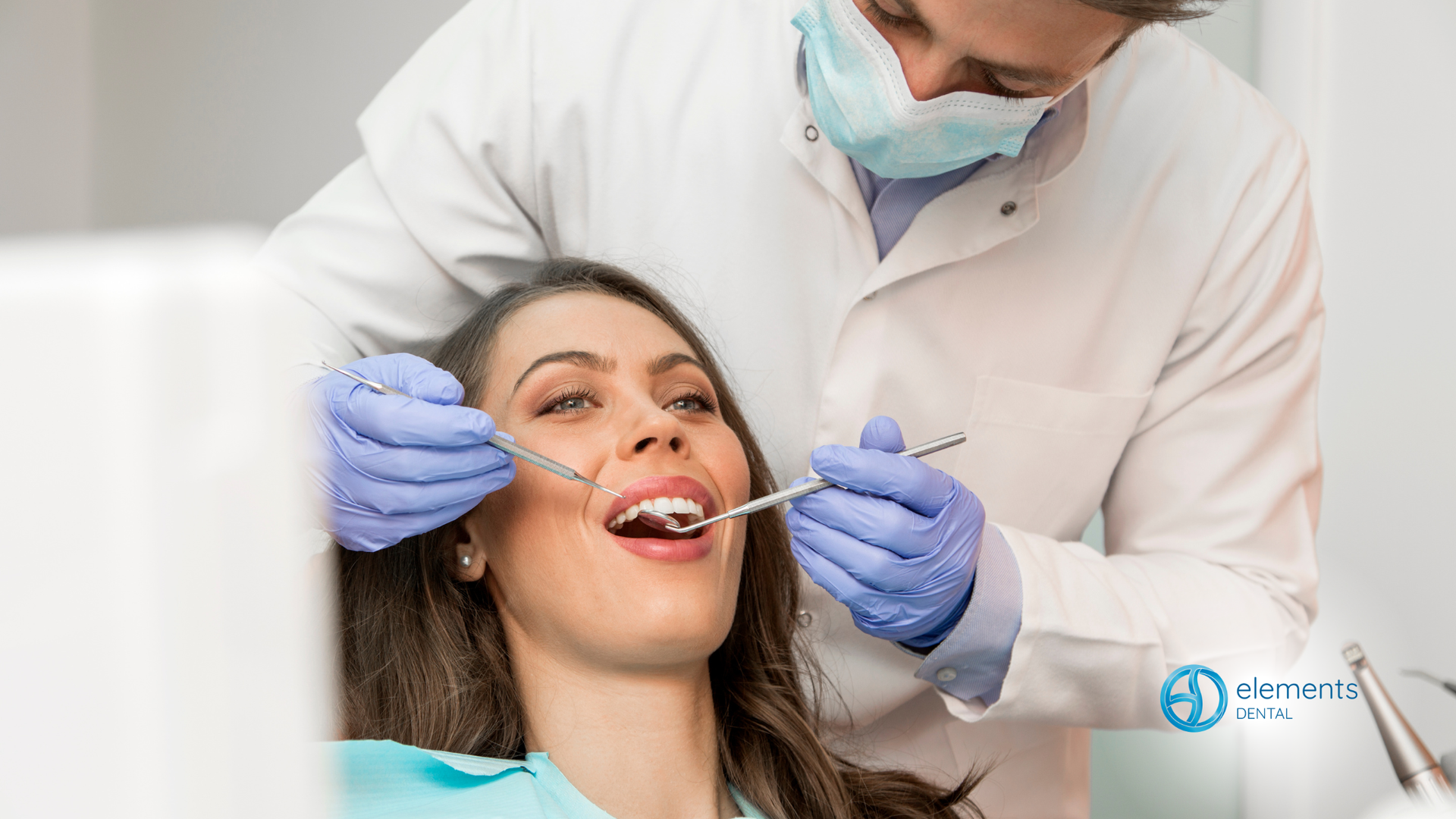
Even careful brushing and flossing cannot remove hardened tartar once it forms. Professional dental cleanings remove deposits from areas that are difficult to manage at home and provide an opportunity to evaluate the health of the teeth and gums.
Routine dental examinations can also identify cavities, gum concerns, damaged restorations, and other problems that may contribute to unpleasant breath.
At Elements Dental in Downtown Victoria, preventive dental visits are an opportunity to discuss persistent bad breath without embarrassment. Halitosis is common, and determining its cause is more useful than repeatedly trying to cover it.
Make National Fresh Breath Day About More Than Mints

National Fresh Breath Day is a good reason to check whether your daily oral hygiene routine is actually addressing the sources of bad breath.
Brush twice daily, clean your tongue, floss every day, stay hydrated, and pay attention to persistent changes in your mouth. These habits do more than improve how your breath smells. They support healthier teeth and gums at the same time.
If bad breath continues despite consistent oral hygiene, it may be time to look deeper. Elements Dental provides preventive dental examinations and professional cleanings for patients in Downtown Victoria. This National Fresh Breath Day, make fresh breath part of a broader commitment to a clean, healthy smile.