Should You Get a Second Opinion Before Starting Orthodontic Treatment?

Source:
Dr. Marketing
You have finally decided to do something about your crooked teeth, crowded smile, or bite concerns. After your first orthodontic consultation, you leave with a treatment recommendation, an estimated timeline, and a cost breakdown.
But something still feels uncertain.
Perhaps you were told you need braces when you were hoping for clear aligners. Maybe your treatment will involve tooth extractions, or the estimated timeline is longer than you expected.
Does this mean the recommendation is wrong? Not necessarily.
Orthodontic treatment involves important decisions about your dental health, appearance, time, and finances. Getting a second orthodontic opinion can help you better understand your options before committing to a treatment plan.
At Elements Dental, we encourage patients in Downtown Victoria to ask questions, understand their orthodontic needs, and feel informed about the treatment they choose.
Two Orthodontic Consultations, Two Different Recommendations. Why?

Imagine visiting two orthodontic providers about the same concern.
The first recommends traditional braces for 24 months. The second suggests clear aligners with an estimated treatment time of 18 months.
Naturally, you might wonder which recommendation is correct.
Orthodontic treatment planning is not always limited to one approach. Different providers may recommend different techniques based on their assessment of your bite, tooth positions, jaw relationships, and treatment goals.
Some orthodontic concerns can be addressed using several methods, while more complex cases may require specific approaches.
For example, one provider may recommend braces because they offer precise control over certain tooth movements. Another may consider clear aligners appropriate based on the patient's individual needs.
Differences in treatment plans do not automatically mean one provider is incorrect.
A second opinion can help you understand the reasoning behind each recommendation and identify which approach aligns with your oral health needs.


When Is Getting a Second Orthodontic Opinion Worth Considering?

You do not need a serious disagreement with your first provider to seek another consultation. However, certain situations make a second opinion particularly useful.
You Have Been Told You Need Tooth Extractions

Removing healthy permanent teeth may sometimes be recommended when significant crowding or other orthodontic concerns make it difficult to achieve a stable result. However, extractions are not necessary for every patient with crowded teeth.
Depending on your dental anatomy, alternatives may include arch development, controlled tooth movement, or creating limited space between teeth. A second evaluation can help clarify why extractions were recommended and whether other clinically appropriate options exist.
You Are Unsure Whether Braces or Clear Aligners Are Suitable
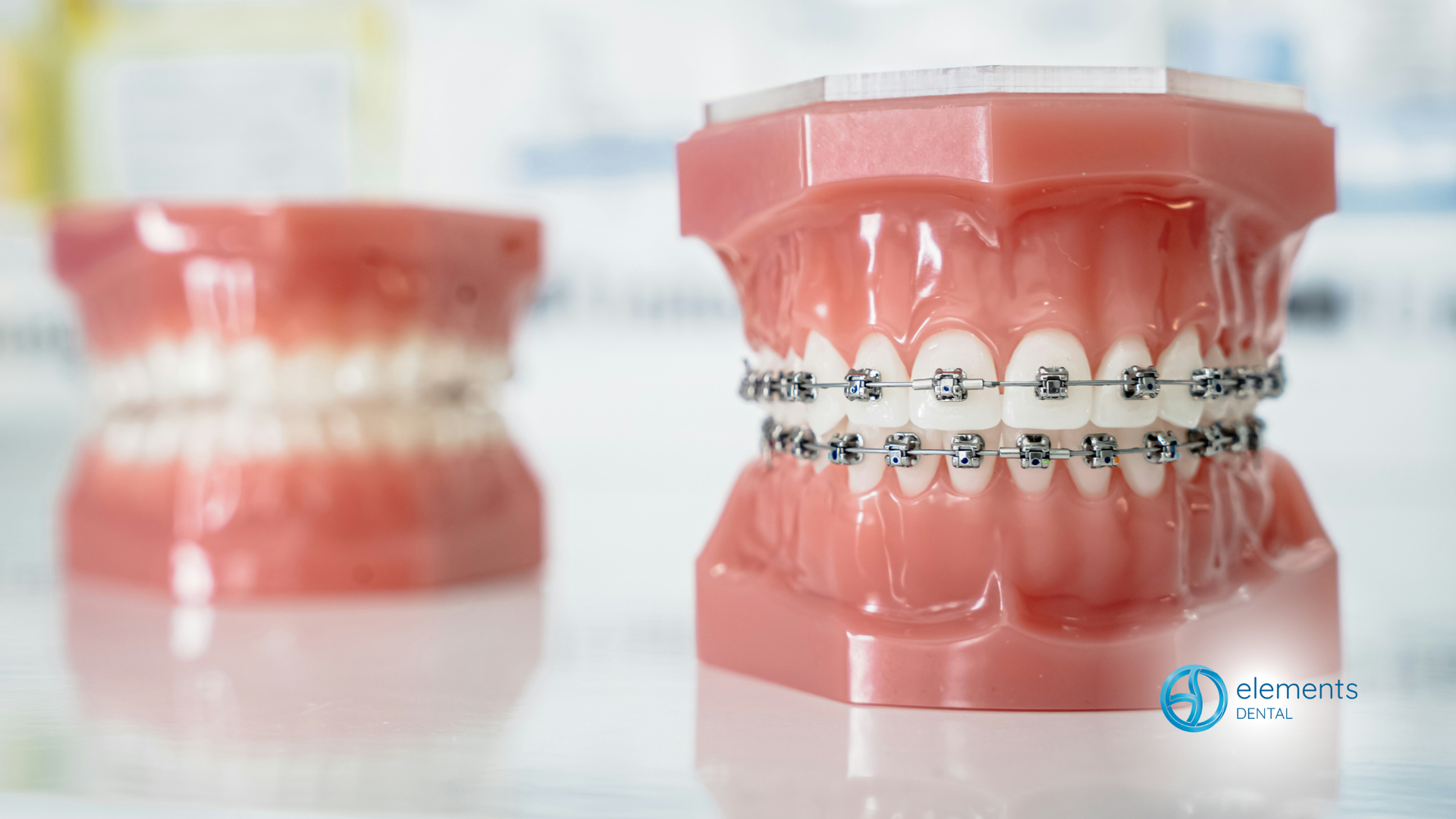
Both traditional braces and clear aligners can address many orthodontic concerns, but they work differently. Braces remain attached to the teeth throughout treatment, while clear aligners are removable and require consistent daily wear. The appropriate choice depends on the complexity of tooth movements, bite correction needs, and patient cooperation.
A second opinion can help determine whether both options are reasonable for your situation.
Your Estimated Treatment Time Seems Unexpected
Orthodontic treatment timelines vary considerably.
A patient with mild spacing may require a different treatment duration than someone with significant crowding, jaw discrepancies, or complex bite concerns. If one provider estimates 12 months and another suggests 24 months, ask what each timeline includes.
The difference may involve treatment goals, case complexity, or the types of corrections being planned.
You Are Considering a Significant Financial Commitment
Orthodontic treatment often requires a substantial investment. Costs can vary depending on treatment complexity, appliances, follow-up visits, and what is included in the quoted fee.
Before comparing prices, make sure you understand whether the estimates include diagnostic records, retainers, adjustments, and other potential expenses. The lowest estimate does not necessarily represent the most appropriate treatment plan.


Five Questions Worth Asking Before Choosing Your Treatment

Whether this is your first orthodontic consultation or your second, asking specific questions can make treatment recommendations easier to compare.
- What orthodontic problems are we trying to correct? Understanding the diagnosis helps you evaluate the proposed treatment.
- Are there other suitable treatment options? Ask whether braces, clear aligners, or alternative approaches could address your concerns.
- Why is this treatment recommended for my situation? The explanation should relate to your individual teeth, bite, and treatment goals.
- What is included in the estimated cost and timeline? Clarify appointments, retainers, possible additional procedures, and follow-up care.
- What happens if I delay or choose not to proceed? Some orthodontic concerns can be monitored, while others may benefit from treatment at a particular stage of development.
These questions can help you compare recommendations based on clinical reasoning rather than appearance, convenience, or cost alone.
Does Getting a Second Opinion Mean Starting the Process Over?

Not necessarily.
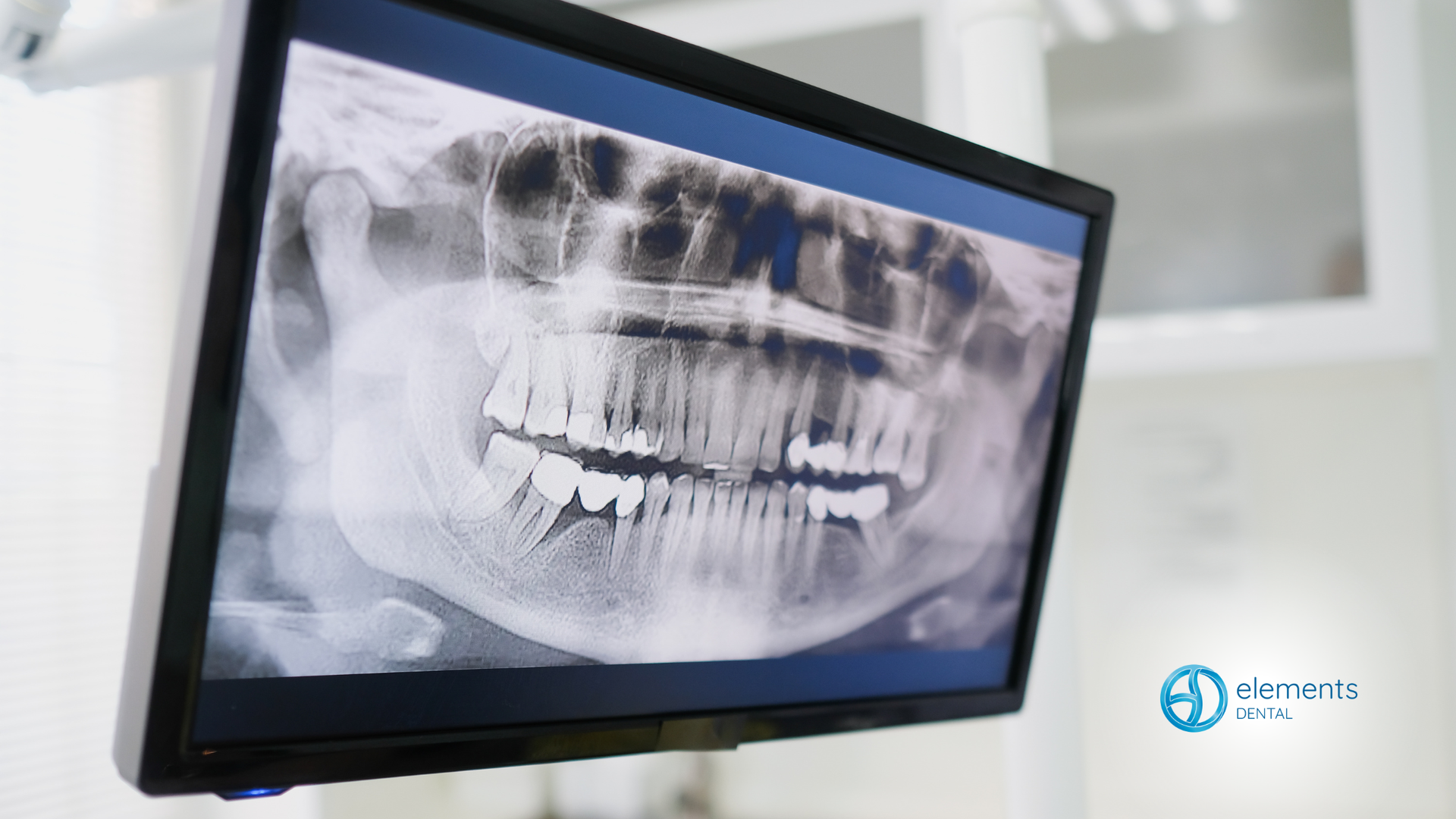
If you already have orthodontic records, including recent X-rays, photographs, or digital scans, ask whether copies can be shared with the provider offering your second consultation.
Existing records may be useful, although additional diagnostic information may still be needed. You should also bring any written treatment recommendations or estimates from your previous consultation.
This gives you an opportunity to discuss specific differences between treatment plans. For example, if your first provider recommended extractions, you can ask the second provider whether they agree and what factors influence that decision.
If both providers recommend similar treatment, the second opinion may reinforce your understanding of the diagnosis. If their recommendations differ, you can request clarification before proceeding.
Make Your Orthodontic Decision With Confidence

Choosing orthodontic treatment is about more than deciding between braces and clear aligners.
It involves understanding your bite, exploring appropriate treatment options, considering long-term oral health, and choosing an approach that fits your individual needs.
Getting a second orthodontic opinion does not mean you are questioning someone's professional ability. It means you want to understand the recommendations before making an important decision.
At Elements Dental in Downtown Victoria, we help patients explore orthodontic treatment options and understand the factors that influence their care.
Have questions about a previous orthodontic recommendation? Contact Elements Dental in Downtown Victoria to schedule an orthodontic consultation and discuss your treatment options before taking the next step toward a healthier, more aligned smile.
Recent Posts