Your Ultimate Guide to Correcting Gum Recession in Victoria

Elements Dental • November 1, 2023
Promotional graphic for gum recession treatment in Victoria with teeth images and Elements Dental logo

Source: Dr. Marketing


Gum recession, while a common dental concern, often doesn't require extensive intervention. Taking proactive steps to maintain your oral health can make a world of difference. Regular visits to Elements Dental and staying consistent with your dental cleanings form a solid foundation for preventative care. Equally crucial is your daily oral hygiene routine, which includes brushing and flossing correctly. By mastering these early prevention techniques, you can effectively safeguard the health and vitality of your gums for years to come. In this blog, we will delve deeper into the importance of these practices and explore additional strategies for ensuring your gums remain in optimal condition. Let's embark on a journey to understand gum recession better and discover how you can maintain a healthy smile.


WHAT IS GUM RECESSION?

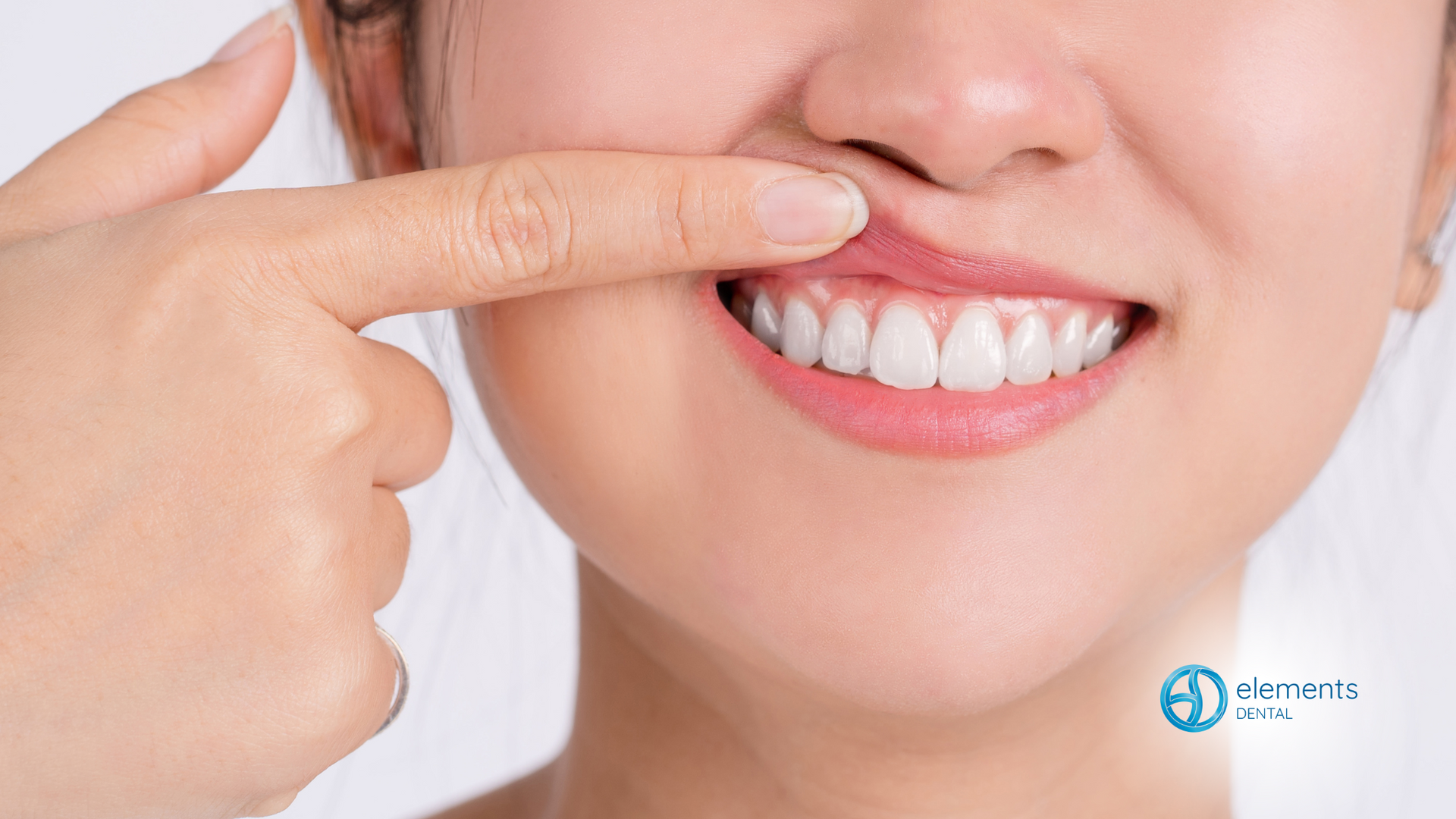
Finger pointing to teeth as a smiling person displays a bright white smile.

Gum recession is the process of your gum tissue wearing away or pulling back. It exposes more of your teeth or, in worst-case scenarios, the tooth’s root. When gum recession occurs, gaps form between the teeth and gum line, making it easier for bacteria and food particles to build up over time. If left untreated, the surrounding tissue and bone structures of your teeth can become damaged and even result in losing teeth. Gum disease is becoming more common as most people don’t even know when they have it. If you notice tooth sensitivity or your tooth appears longer than normal, book an appointment with our dentist to prevent further damage.


WHAT IS THE CAUSE OF GUM RECESSION?

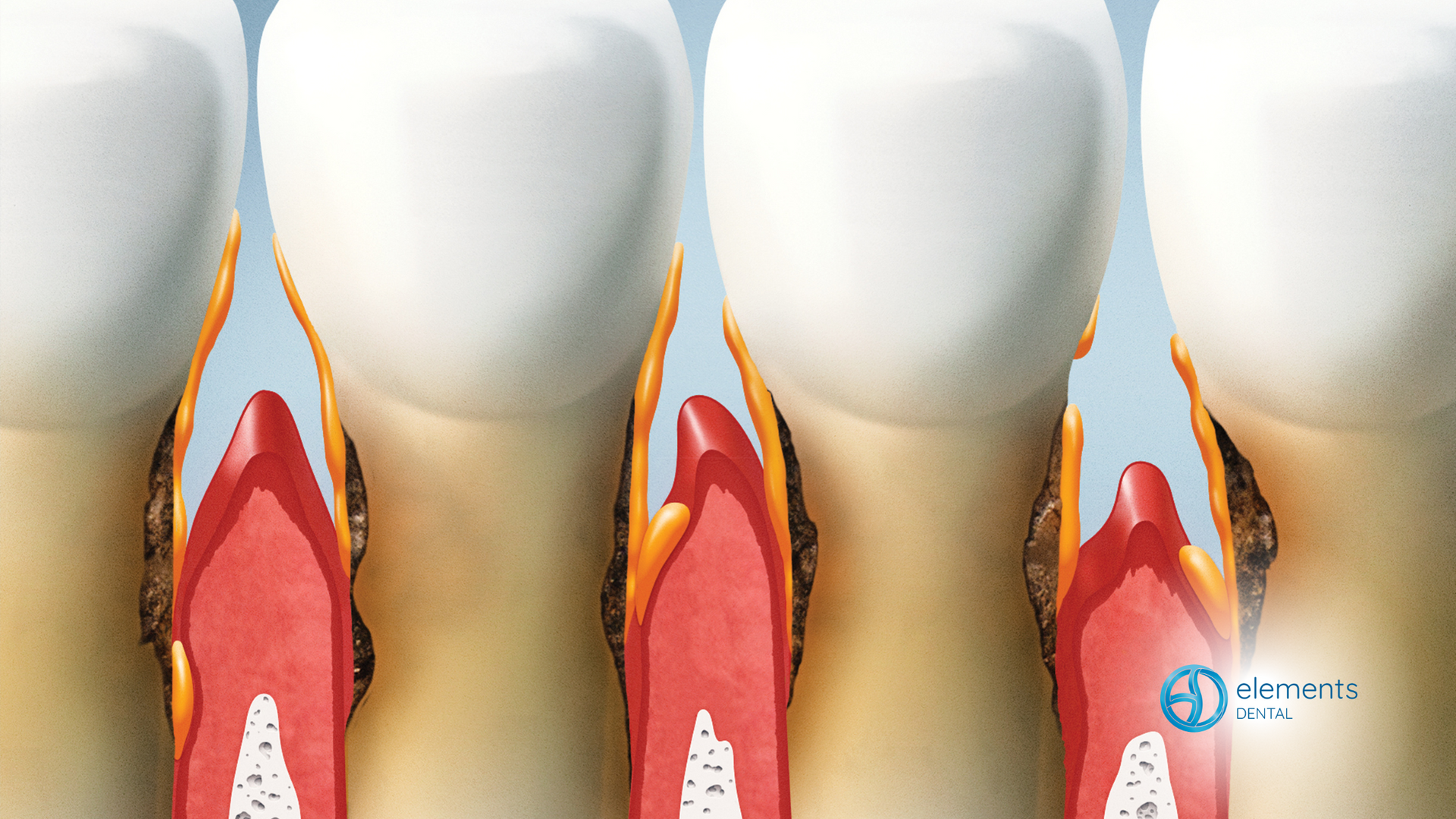
Dental cross-section showing gums and teeth with inflamed red tissue and yellow plaque buildup.

There are a few different causes that lead to gum recession. For starters, poor oral hygiene, including both brushing and flossing and periodontal disease contribute to receding gums. A few other main causes include: 

  • Physical tooth trauma (accidental damage) or low-grade wear and tear over long periods
  • Dental Surgeries
  • Inflammation
  • Aggressive tooth brushing
  • Smoking
  • Hormonal changes
  • Diabetes or HIV


 When plaque builds up around your teeth, it can lead to the following dental conditions: 

  • Gum inflammation: Inflammation of the gums, also known as gingivitis, is one of the more common diseases. It occurs when bacteria and plaque aren’t removed properly which can lead to swollen and bleeding gums.
  • Periodontitis: This disease can start from gingivitis and gum recession. This condition creates space between your gums and teeth and loss of connective tissue around the tooth roots.


WHAT ARE THE SYMPTOMS OF GUM RECESSION?

Dentist and assistant treating a patient in a clinic, wearing masks and gloves.

Depending on the severity of your gum recession, there are different symptoms to be aware of. If you have a history of gum disease, or diabetes or are HIV-positive, watch for gum recession. If you notice your gums are receding, make sure to stay on top of your dental visits and cleanings for extra prevention. A few common symptoms include:


RED OR SWOLLEN GUMS


In their healthiest state, gums should be a light pink color. If you notice your gums are swollen and red around the edge of your teeth, that can be one of the first indicators of receding gums.


BLEEDING AFTER BRUSHING AND FLOSSING


If you notice your gums are consistently bleeding after you brush and floss your teeth, that could be a symptom of gum disease which can lead to gum recession. If they’re consistently bleeding, get in touch with Elements Dental today.


SHRINKING GUMS


One of the more noticeable symptoms is shrinking gums around your teeth. If the root of your tooth starts to become exposed, it will appear as though your tooth is “longer.” This is often accompanied by increased sensitivity and pain. If this happens, make sure to book an appointment with our dentist.


LOOSE TEETH


Loose teeth are an advanced signal of receding gums or tooth decay. This can be quite serious so it’s important to see a dentist as soon as possible. Treatment can vary depending on how far along your recession is.


PAIN AROUND THE GUMS


If you’re experiencing any pain around the gum line, get it examined by our dentist. There can be many reasons for gum pain so it’s recommended you treat it immediately.


GUM RECESSION TREATMENT PLANS

Close-up of a child’s open mouth while a gloved hand examines a decayed tooth

Most cases of mild gum recession don't necessarily need extensive treatment. One of the best things you can do is thoroughly brush and floss your teeth as an early intervention. For those who require dental treatment, our dentists may suggest the following dental plans: 

  • Composite restoration: This is when a dentist uses composite resins to cover the surface of your tooth’s root. This also helps close any gaps between your teeth
  • Desensitizing agents: They can treat any nerve symptoms you may have help preserve oral hygiene and reduce sensitivity. 
  • Dental surgery: A dental surgeon can graft tissue from another area in your mouth and surgically place it where your gums are receding. This type of treatment is only needed when the gum recession is severe.


GUM GRAFTING SURGERY FOR RECEDING GUMS

Dentist flossing a smiling patient’s teeth in a bright dental clinic

Gum surgery can sound daunting, but it’s not as bad as it sounds. If a dentist suggests you need a gum graft for receding gums, don’t panic. For starters, there are three main types of gum grafts our dentist may move forward with.


CONNECTIVE-TISSUE GRAFTS


This is the most common type of graft. During the dental procedure, our dentist will cut skin under the flap in your mouth (known as the subepithelial connective tissue), and stitch it to the tissue surrounding your exposed tooth root.


FREE GINGIVAL GRAFTS


This dental procedure is similar to a connective-tissue graft, except the tissue is removed directly from the roof of your mouth and then attached to your gums. This type of procedure is used for those who have thin gums and need extra tissue to make the gums larger.


PEDICLE GRAFTS


Compared to the other two types of grafts, this one is grafted from the gum surrounding a tooth that needs repair. The flap is only partially cut so that an edge remains attached to your mouth. The gum is pulled over the exposed root and put into place.


HOW LONG DOES IT TAKE TO RECOVER FROM GUM GRAFTING SURGERY?


Your post-gum grafting surgery recovery time can depend on a few factors. This includes how many teeth were treated, where the graft came from (below the flap or roof of the mouth), and what type of procedure took place. In general, most people who go through gum recession surgery need roughly two weeks to recover.


GUM RECESSION PREVENTION


Gum recession can’t always be prevented. However, there are some things you can do to reduce your risk of receding gums. Including the following: 

Brush your teeth thoroughly at least twice a day

Floss daily

Use mouthwash

Make an appointment at Elements Dental every 4-6 months for a cleaning

Use a soft-bristled toothbrush

Avoid smoking and chewing tobacco

Protective mouthguards

Smiling couple taking a selfie in a bright room, with a hand holding the phone in the foreground

The road to preventing gum recession is paved with simple yet essential steps that anyone can take. By consistently attending routine checkups and diligently practicing good oral hygiene, you can actively protect and maintain the health of your gums. These efforts are not only essential for preserving your beautiful smile but also for safeguarding your overall well-being.


However, if you ever notice signs of gum recession or have concerns about your oral health, don't hesitate to seek professional help. The team at Elements Dental is here to support you on your journey to optimal oral health. Our experienced team of dental professionals can provide expert guidance, early intervention, and tailored solutions to prevent the condition from progressing further.


Remember, your oral health is a crucial part of your overall health, and taking action today can lead to a brighter and healthier tomorrow. So, don't wait any longer – get in touch with our dental care team at Elements Dental by 
calling(778) 401-8666 and take the first step towards ensuring you have the best possible oral health. Your smile deserves it, and so do you!

Share this article

Recent Posts

By Elements Dental • October 15, 2026
Is your toothache, broken tooth, or swollen gum a dental emergency? Learn which symptoms require urgent dental care and which may wait for a regular appointment. Elements Dental in Downtown Victoria helps patients understand when to contact an emergency dentist.
By Elements Dental • October 1, 2026
Discover how dental sealants help protect children's teeth from Halloween candy and cavities. Learn about their benefits, application process, ideal age, and long-term protection. Explore preventive dental care at Elements Dental in Downtown Victoria and schedule your child's appointment today.
By Elements Dental • September 15, 2026
Brushing and flossing may not be enough to maintain a complete oral hygiene routine. Learn how tongue cleaning helps remove bacteria, reduce buildup, and address bad breath. Discover proper tongue cleaning techniques and schedule a preventive dental appointment at Elements Dental in Downtown Victoria.
Show More