Dental Veneers or Implants? What's The Best Option

Elements Dental • August 1, 2023
Close-up of a smiling mouth with dental tools and text: “Dental Veneers or Implants? What’s the best option”

Source: Dr. Marketing


When a patient's teeth have been affected to a certain degree by decay, they might consider dental veneers or implants as a resolution to their oral health concern. Although each form of treatment has its benefits, dental veneers and implants are used for specific cases that do differ. Our team at Elements Dental , which is located in Downtown Victoria, British Columbia , has explained the differences between dental veneers and implants. 


Reasons why a patient would need need dental veneers or dental implants


Dental veneers and dental implants are needed when you experience a broken, chipped, discolored, misshaped, decayed, or lost tooth. If you are uncertain as to which one is suitable for your issue, you can speak to one of our dentists and learn more. Today, many patients are seeking ways to improve their smile for aesthetic reasons. Some want a brighter, straighter, and overall perfect smile. This can be achieved through less invasive methods like orthodontics , clear aligners , and teeth whitening . However, depending on your overall smile goals, dental veneers or dental implants can provide a beautiful smile.


What's the difference between dental veneers and dental implants? 

Gloved hand placing a dental implant into a tooth model with gums and bridge on a red base

Dental Veneers Description


Dental veneers are thin shells that have a similar color to teeth. They are attached to the front surface of natural teeth to improve their appearance. Made from porcelain or resin-composite materials, dental veneers are permanently bonded to your teeth. Whether you have broken, chipped, discolored, or abnormally small teeth, dental veneers can be a helpful solution. 


Dental Implant Description


Dental implants are a great option if you have missing teeth, especially if your bite is being affected by the issue. These are artificial tooth roots that are placed into the jawbone through surgery. After a few months, the bone that surrounds the implant will grow and keep it in place. Your dentist will then use a metal connector to attach the new teeth to the implant.


Pros and cons of dental veneers

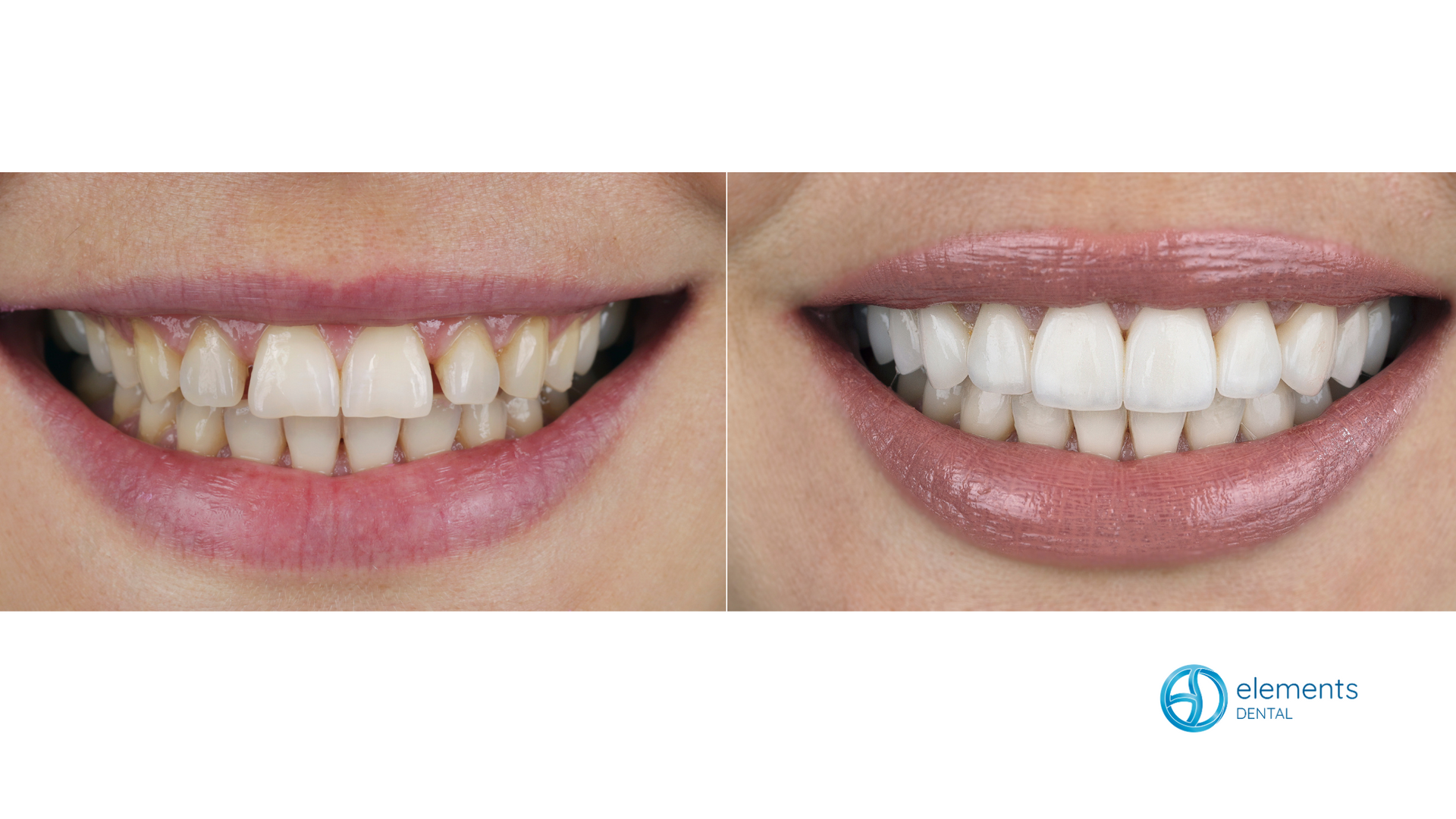
Before-and-after close-up of a smile showing discolored teeth on the left and whiter teeth on the right

Some of the benefits of dental veneers are: 

  • They resemble natural teeth in their appearance. 
  • Gums have a good tolerance for porcelain. 
  • Porcelain veneers can avoid stains. 
  • You can choose a color that will allow dark teeth to appear whiter. 
  • Generally, they don't necessitate the extent of shaping that dental crowns require. 
  • They are sturdier and superior looking than dental crowns. 


There are also a few flaws with dental veneers, such as: 

  • Veneers are more costly than composite resin bonding. 
  • Your tooth might experience more sensitivity to hot and cold foods and drinks due to the enamel that has been removed. 
  • Dental veneers are not a preferable option for patients with unhealthy teeth, weakened teeth, or those who have insufficient enamel on the tooth's surface. 


Dental veneer procedure explained

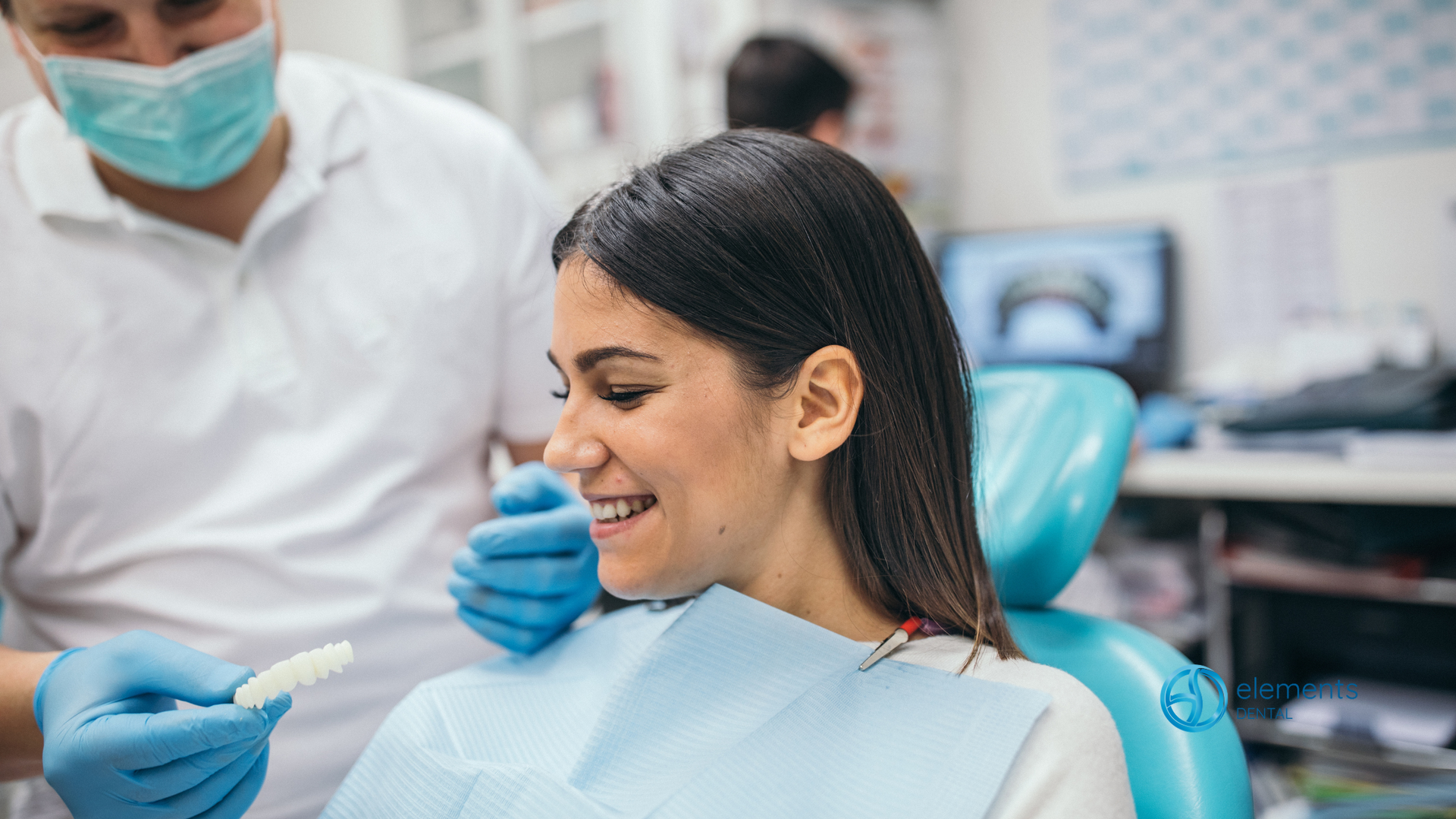
Patient smiling in a dental chair as a dentist prepares treatment with gloves and mask.

Most patients will require three visits to the dentist for their dental veneers, one of which will be the initial consultation and two to create and apply the veneers. The veneering process can treat one or several teeth at the same time.


During the initial appointment, you will inform
our dentists , of what you are attempting to achieve. Afterward, he or she will examine your teeth to ensure that dental veneers are ideal for you and discuss the procedure itself. They might take X-rays and make impressions of your mouth and teeth.


For the preparation of the tooth, the dentist will reshape the tooth's surface so that it nearly equals the thickness of the veneer that is to be applied. You can have your dentist numb the area before removing some of the enamel. Once the dentist makes a model or impression of your tooth, it is sent to a laboratory that will create the veneer. You can use temporary veneers until the permanent solution is returned, which often takes two to four weeks.


To attain the best fit, your dentist will first place the veneer on your tooth to examine its fit and color. Next, they will constantly remove and trim the veneer before cementing it to your tooth. Your tooth will then be cleaned, etched (roughens the tooth for a stronger bonding process), and polished to receive the veneer. After applying a unique cement to the veneer, it is placed on your tooth.


Having properly positioned the veneer, the dentist will then shine a special light beam on it that activates chemicals within the cement, while also inspecting your bite and making any necessary modifications. Our dentist might suggest that you return for a follow-up appointment in two weeks to further examine your gums and the veneer's placement.


Pros and cons of dental implants

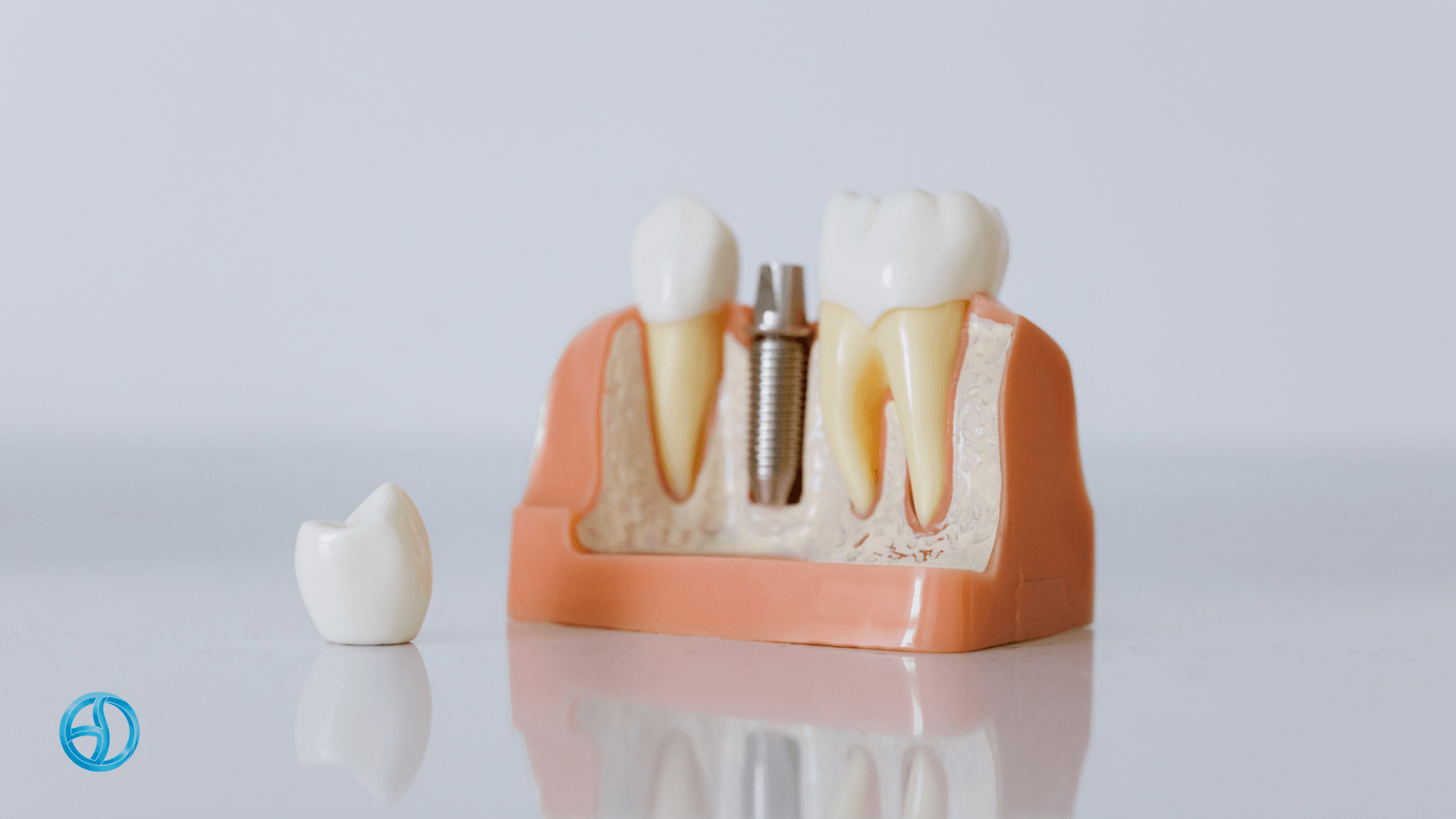
Dental implant model with exposed implant and artificial teeth on a reflective surface

Here are some of the advantages of dental implants: 

  • Dental implants appear and feel like your natural teeth. If you are replacing several teeth (for example, the entire front row) we can alter the shape to provide you with a smile that you prefer aesthetically.
  • They greatly help your speech, whereas loose dentures that slip in your mouth can cause you to mumble. 
  • Implants are more comfortable than removable dentures because they are permanent. 
  • You can eat more comfortably with dental implants. 
  • They boost your self-confidence. 
  • Dental implants do not impact nearby teeth like a tooth-supporting bridge would. 
  • They provide simple access between teeth, which helps your oral hygiene. 
  • Dental implants are durable and long-lasting. 
  • You do not need to use adhesives to keep them in place. 


Dental implants do have a few disadvantages: 

  • There is a possibility of infection within your gums. Bacteria can reach the implant site and lead to peri-implantitis, which is an infection that can produce bone loss. Fortunately, this can be easily avoided with proper oral care. We recommend patients with dental implants schedule their dental implant maintenance at Elements Dental.
  • Sinus complications can be experienced if the implants extend into the sinus cavity. 
  • Receiving dental implants is a lengthy process. 
  • Dental implants might require you to receive additional dental work because of the complex nature of the process. For example, when the jawbone is too weakened to support the titanium implant, your dentist must perform a bone graft.


Dental implant procedure explained

Dentist examining a patient in a clinic with dental tools and blue gloves

First, you will have a specified treatment plan prepared by a group of professionals trained and experienced in oral surgery and restorative dentistry. The purpose of this is to identify your particular needs and ensure coordinated care throughout the process. 
After that is completed, the tooth root implant (a small post made of titanium) is placed into the bone socket of the lost tooth. Your jawbone will heal over time, growing around the metal implanted post and anchoring it safely in the jaw. Overall, the healing requires six to 12 weeks. 
Following the successful bonding of the implant to the jawbone, an abutment (a small connector post) is then attached to the post to hold the new tooth in place. Your dentist will make impressions of your teeth and develop a model of your bite, which serves to make the new tooth or teeth. A replacement tooth (dental crown) is attached to the abutment afterward.


Cases for choosing one treatment over the other 


Dental implants are specifically for patients seeking to replace missing teeth, while dental veneers enhance your smile's aesthetics. For teeth that are chipped, stained, broken, or largely spaced apart, dental veneers can restore your smile.

Smiling man in a denim shirt sitting by a lake with trees in the background.


How can you decide? Get our dentist's opinion


If you require more information about dental veneers or dental implants , the team at Elements Dental is here to help. You can call us at (778) 401-8666 or visit our office directly at 1025 Johnson Street - Unit 401, Victoria, BC and we will determine whether dental veneers or implants can assist your oral health. 

Share this article

Recent Posts

By Elements Dental • October 15, 2026
Is your toothache, broken tooth, or swollen gum a dental emergency? Learn which symptoms require urgent dental care and which may wait for a regular appointment. Elements Dental in Downtown Victoria helps patients understand when to contact an emergency dentist.
By Elements Dental • October 1, 2026
Discover how dental sealants help protect children's teeth from Halloween candy and cavities. Learn about their benefits, application process, ideal age, and long-term protection. Explore preventive dental care at Elements Dental in Downtown Victoria and schedule your child's appointment today.
By Elements Dental • September 15, 2026
Brushing and flossing may not be enough to maintain a complete oral hygiene routine. Learn how tongue cleaning helps remove bacteria, reduce buildup, and address bad breath. Discover proper tongue cleaning techniques and schedule a preventive dental appointment at Elements Dental in Downtown Victoria.
Show More